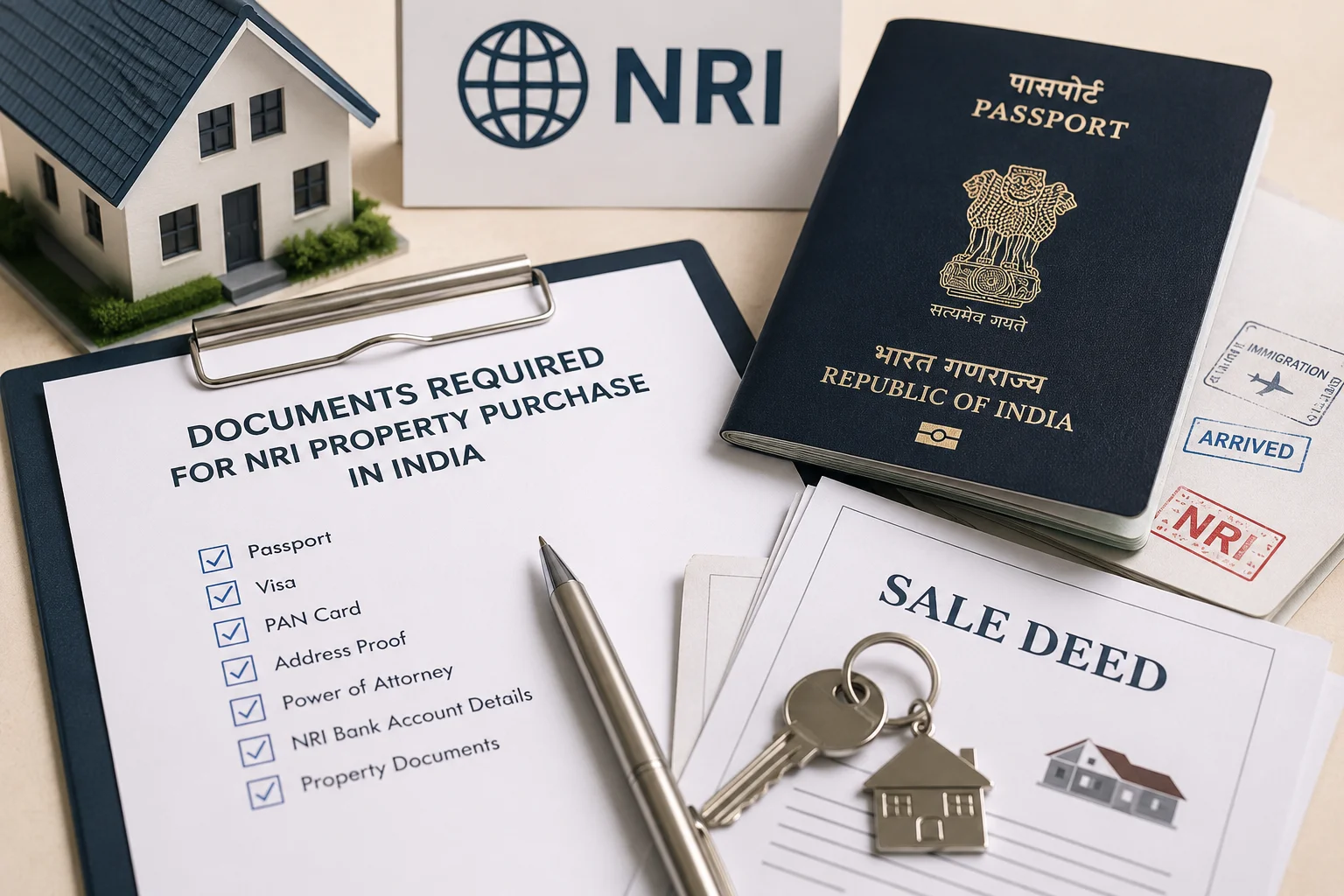
Can NRIs Buy Property in Himachal Pradesh in 2026?
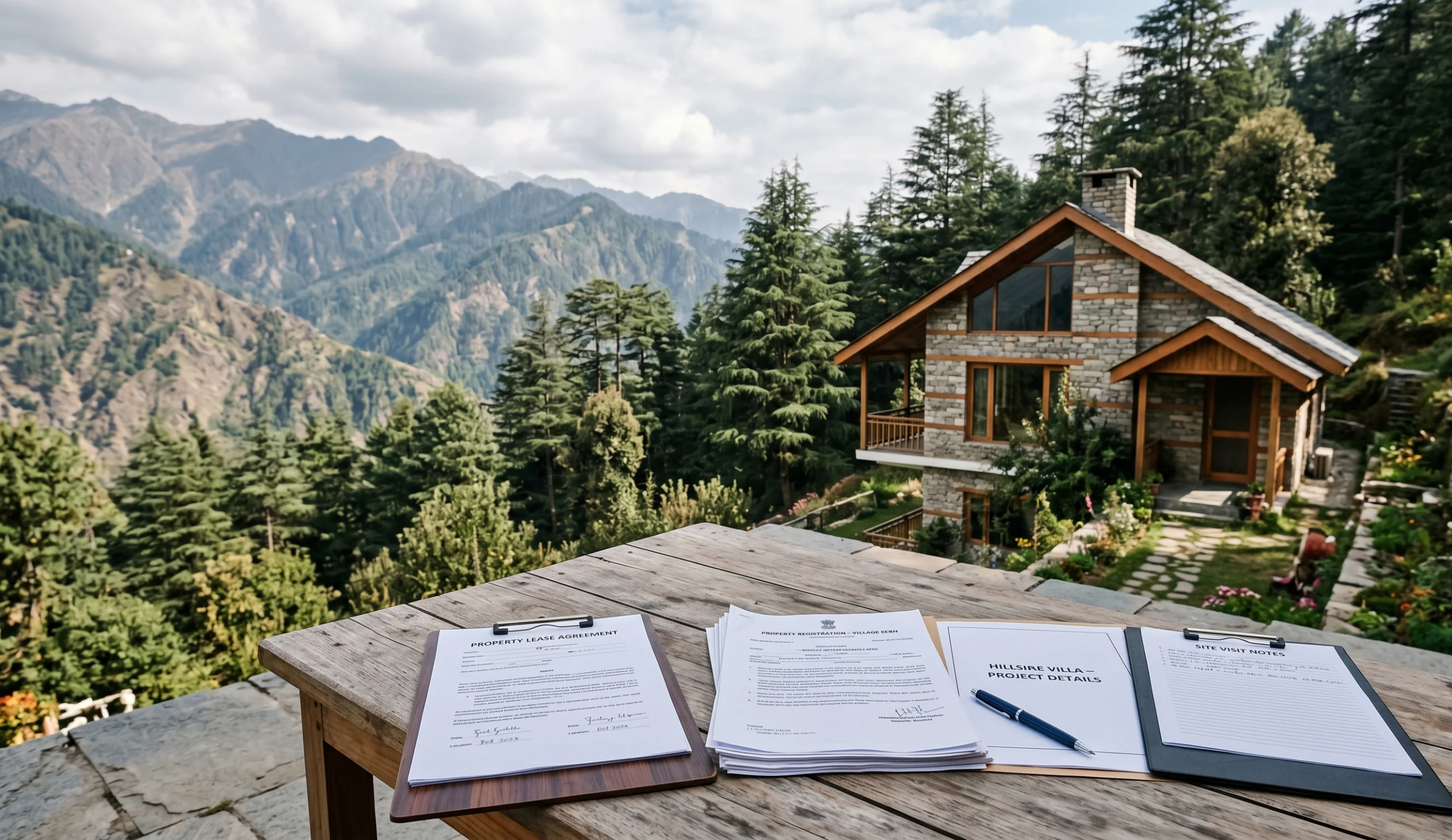
Yes, NRIs can buy residential property in Himachal Pradesh in 2026. The most direct route is purchasing a completed unit of up to 500 square metres in a RERA-registered residential project. Section 118 of the Himachal Pradesh Tenancy and Land Reforms Act applies. The December 2024 amendment allows this category of purchase, subject to Section 118 approval; the exemption is awaiting formal government notification. Standard FEMA rules apply to the funding.
The short version
An NRI based in Dubai, Toronto, London, Sydney, or anywhere else can purchase a residential villa or apartment in Himachal Pradesh, provided three conditions are met: the project is RERA-registered, the unit is below 500 square metres, and the funding moves through a permitted FEMA channel. The process from agreement to registration typically takes between three and six months. A site visit is preferable but not legally required.
Step 1 — Verify the project
Three things must be checked on the public record before any agreement is signed:
- RERA registration. Every legitimate project carries a registration number on the state RERA portal.
- Completion status. The 500 sqm exemption applies to completed units.
- Title clarity. An encumbrance certificate from the local sub-registrar’s office, ideally for the past thirty years, is the minimum due diligence.
Step 2 — Choose the funding pathway
FEMA permits NRIs to fund Indian property purchases through three channels: direct remittance from abroad, NRE account, or NRO account. NRE funds are repatriable; NRO repatriation is subject to annual limits.
For NRIs planning to eventually repatriate sale proceeds, NRE funding at the time of purchase simplifies the eventual exit.
Step 3 — Power of Attorney
If not visiting in person, an NRI grants a registered Power of Attorney to a trusted person — typically a family member already resident in India. The PoA must be executed at an Indian consulate abroad, or in India during a visit. It must specify the property and the scope. Generic PoAs are increasingly refused at sub-registrars.
Step 4 — Sale agreement and TDS
Three things in the sale agreement matter most for an NRI buyer: the total consideration broken into components; the handover clause and any associated penalty for delay; the TDS provision. A chartered accountant familiar with NRI transactions should review the agreement before signing.
Step 5 — Registration
Property registration in India happens at the local sub-registrar’s office. For Kasauli, that office is in Solan. The buyer or PoA holder must be physically present, with original identity documents, the executed sale deed, the prescribed stamp duty paid, and the registration fee paid. Stamp duty in HP has been in the range of five to eight per cent of consideration in recent years; confirm rates immediately before registration.
Step 6 — Possession and post-handover
Possession is taken on the date specified in the agreement, against payment of any final balance. A formal handover note, signed by both parties, is the standard practice. Post-handover obligations include annual property tax, maintenance charges, and tax on any rental income.
Common mistakes
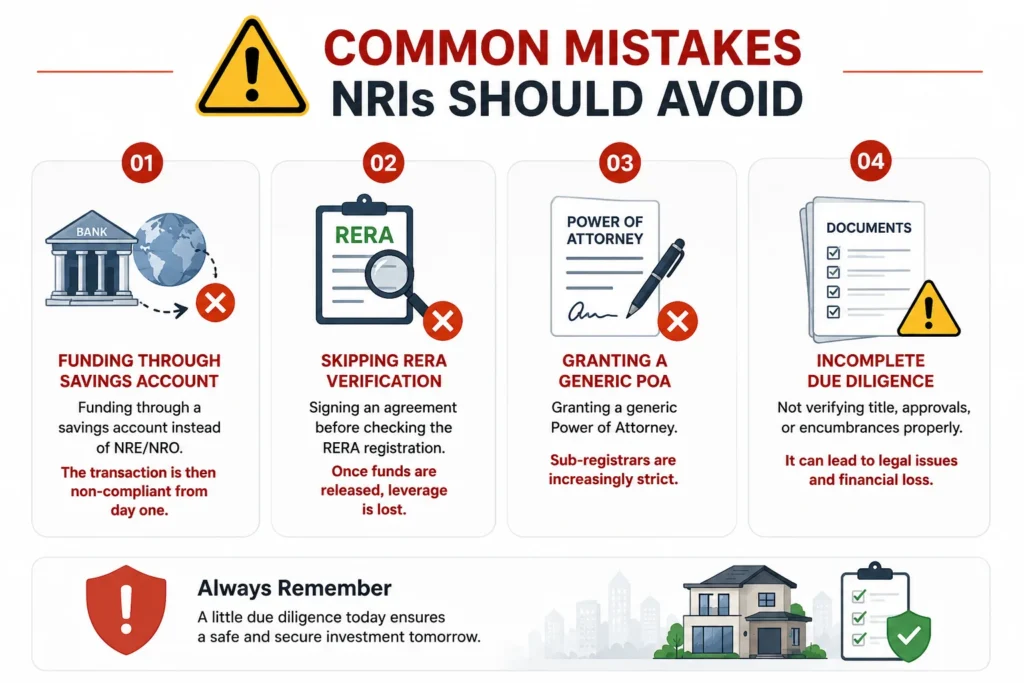
- Funding through a savings account instead of NRE/NRO. The transaction is then non-compliant from day one.
- Signing an agreement before checking the RERA registration. Once funds are released, leverage is lost.
- Granting a generic PoA. Sub-registrars are increasingly strict.
How long does the full process take?
Three to six months from initial enquiry to registered ownership is typical. Two months is achievable when documentation is ready from the outset.
How does Vamika Builders handle this?
Kasauli Green by Vamika Builders is RERA-registered. Each unit is sized within the Section 118 framework. The Vamika sales team works with NRI buyers in Dubai, Canada, the United Kingdom, the United States, and Australia, and provides a project-side dossier covering RERA, title, and tax structure.
Frequently asked questions
Can NRIs buy property in Himachal Pradesh without permission?
Section 118 applies. The current framework allows purchase of completed units under defined limits, subject to approval and pending final notification clarity.
What is the safest way to fund the purchase?
NRE or NRO accounts under FEMA rules. Direct remittance also works if structured correctly.
Do I need to visit India?
Not mandatory. A Power of Attorney can complete the process.